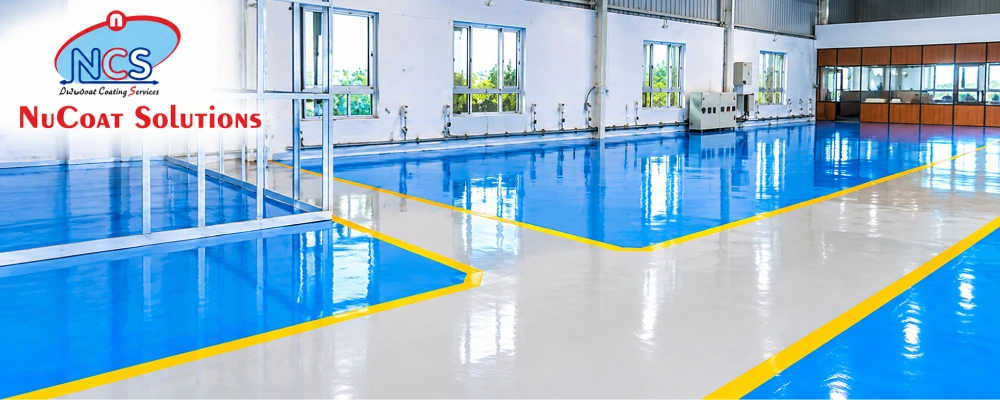
How Can PU Flooring Protect Factory Floors from Chemicals, Impact, and Heavy Foot Traffic in Hyderabad?
Industrial factory floors are exposed to continuous mechanical stress, chemical spills, heavy machinery, material movement, and frequent employee movement. Over time, these conditions can damage ordinary concrete flooring, resulting in cracks, surface deterioration, dust formation, and costly maintenance requirements.
For industries operating in Hyderabad, selecting the right industrial flooring system is essential for maintaining workplace safety, operational efficiency, and long-term floor durability. Polyurethane (PU) flooring is an effective flooring solution for industrial environments because it can provide chemical resistance, impact protection, abrasion resistance, and a seamless, easy-to-maintain surface.
At Nucoat, we understand that every industrial facility has different flooring requirements. Choosing the right PU Flooring Service in Hyderabad helps businesses protect their concrete floors against demanding industrial conditions while maintaining a clean and professional working environment.
But how exactly does PU flooring protect factory floors from chemicals, impact, and heavy foot traffic? Let's explore its features, benefits, technical specifications, and industrial applications.
What Is PU Flooring and How Does It Work?
Polyurethane flooring, commonly known as PU flooring, is a resin-based protective flooring system applied over properly prepared concrete or other suitable substrates. Once installed and cured, it forms a durable surface designed to withstand different industrial operating conditions.
Unlike ordinary floor paints, industrial PU flooring systems are available in different formulations and thicknesses to meet specific performance requirements.
PU flooring works by creating a protective layer over the concrete substrate. Depending on the selected formulation, this layer can help protect against:
- Chemical spills and exposure to selected industrial substances.
- Mechanical impact from equipment and dropped materials.
- Abrasion caused by continuous movement.
- Heavy pedestrian and trolley traffic.
- Moisture and demanding cleaning procedures.
- Surface deterioration caused by regular industrial operations.
Businesses looking for reliable PU Flooring Service in Hyderabad should select a flooring system based on the actual working conditions rather than choosing a product based only on its appearance or thickness.
How Does PU Flooring Protect Factory Floors from Chemicals?
Chemical exposure is a common concern in manufacturing facilities, pharmaceutical units, food processing plants, and chemical industries. Accidental spills of oils, cleaning agents, solvents, and other industrial chemicals can damage unprotected concrete surfaces.
1. Provides Chemical Resistance
One of the important advantages of industrial PU flooring is its ability to resist exposure to selected chemicals.
Depending on the chemical composition and formulation, PU flooring can provide resistance against:
- Industrial oils and lubricants.
- Selected acids and alkalis.
- Cleaning chemicals and detergents.
- Certain solvents.
- Process-related chemical spills.
The actual resistance depends on chemical concentration, temperature, exposure duration, and the selected PU system.
2. Protects the Concrete Substrate
Concrete floors can absorb certain liquids and chemicals through their pores. This may result in staining, surface deterioration, and contamination.
A properly installed PU flooring system creates a protective barrier that reduces direct exposure of the concrete substrate to these substances.
3. Supports Easier Cleaning and Maintenance
Chemical spills and industrial residues can make factory floors difficult to maintain. Seamless PU flooring systems provide a smooth, non-porous surface that can make routine cleaning easier.
This is particularly useful for pharmaceutical and food processing environments where floor hygiene is important.
Example: A manufacturing facility in Hyderabad handling industrial lubricants can consider a chemically compatible PU flooring system to protect its concrete floor against regular oil exposure.
How Does PU Flooring Handle Heavy Impact and Mechanical Stress?
Industrial environments frequently experience mechanical stress from heavy equipment, machinery, metal components, and material-handling operations.
Ordinary concrete may develop cracks, chips, and surface damage when exposed to repeated impact.
1. Offers Impact Resistance
PU flooring systems are available in formulations with different levels of flexibility and impact resistance.
Their formulation can help absorb and distribute certain mechanical stresses, reducing the risk of surface damage under suitable operating conditions.
2. Supports Heavy Equipment Movement
Factories often use forklifts, pallet trucks, trolleys, and other material-handling equipment.
Industrial PU flooring can be designed to withstand regular mechanical movement when the correct system thickness, compressive strength, and substrate preparation are selected.
3. Reduces Surface Cracking Risks
Some PU flooring systems offer greater flexibility than conventional rigid flooring coatings.
This flexibility can help accommodate minor substrate movement and thermal variations. However, it cannot compensate for major structural cracks or an unstable concrete base.
Can PU Flooring Withstand Heavy Foot Traffic?
Yes. Properly selected industrial PU flooring systems can withstand frequent pedestrian movement and regular material-handling activities.
Factories, warehouses, production units, and commercial facilities experience continuous foot traffic throughout their working hours.
1. Excellent Abrasion Resistance
Repeated walking, trolley movement, and material transportation can gradually wear down ordinary floor surfaces.
PU flooring provides an abrasion-resistant surface that helps reduce wear under regular industrial usage.
2. Maintains a Seamless Surface
Unlike flooring systems with multiple joints, seamless PU flooring can minimise areas where dust, dirt, and industrial residues accumulate.
This makes it suitable for facilities that require regular cleaning and controlled working environments.
3. Improves Workplace Safety
PU flooring can be supplied with textured or slip-resistant finishes depending on the working environment.
These finishes can improve underfoot traction in areas exposed to moisture, cleaning operations, or industrial liquids.
The appropriate surface texture should balance slip resistance with ease of cleaning.
What Are the Key Features of Industrial PU Flooring?
Industrial polyurethane flooring offers several features that make it suitable for demanding factory environments.
- Chemical Resistance: Protects against selected industrial chemicals, oils, and cleaning agents.
- Impact Resistance: Helps withstand mechanical impact from equipment and dropped materials.
- Abrasion Resistance: Handles regular pedestrian and trolley movement.
- Flexibility: Certain formulations accommodate minor substrate movement.
- Seamless Finish: Provides a continuous surface with fewer dirt-collecting joints.
- Easy Maintenance: Supports convenient cleaning and routine maintenance.
- Slip-Resistant Options: Available with suitable surface textures for improved traction.
- Thermal Resistance: Certain PU cementitious systems are designed for environments involving temperature fluctuations.
- Customised Thickness: Different system thicknesses are available according to industrial requirements.
What Are the Major Benefits of PU Flooring for Industries in Hyderabad?
Choosing the right industrial flooring system offers several operational and maintenance advantages.
1. Longer Floor Service Life
A properly specified and installed PU flooring system helps protect the underlying concrete from regular industrial wear and selected chemical exposure.
2. Reduced Maintenance Requirements
Its seamless finish and protective properties can reduce certain cleaning and maintenance challenges associated with untreated concrete.
3. Improved Workplace Hygiene
PU flooring provides a continuous surface that is easier to clean and maintain, making it suitable for hygiene-sensitive industrial environments.
4. Better Operational Efficiency
A durable, properly maintained floor supports the movement of machinery, workers, and materials without frequent interruptions caused by surface deterioration.
5. Customised Industrial Flooring Solutions
PU flooring is available in different formulations, thicknesses, colours, and surface finishes to meet individual factory requirements.
Technical Specifications of PU Flooring
Technical specifications vary depending on the selected polyurethane flooring system, manufacturer, and application requirements.
What Are the Industrial Applications of PU Flooring?
PU flooring is suitable for several industrial and commercial environments where floor durability, hygiene, and resistance to demanding operating conditions are important.
1. Pharmaceutical Manufacturing Units
Pharmaceutical facilities require flooring that supports regular cleaning and hygiene practices.
PU flooring can provide a seamless and easy-to-maintain surface for selected production and processing areas.
2. Food Processing Industries
Food manufacturing facilities require flooring that can withstand frequent cleaning, moisture, and selected food-processing chemicals.
Suitable PU cementitious systems can be considered for demanding food production environments.
3. Automobile Manufacturing and Workshops
Automotive facilities experience oil spills, lubricant exposure, mechanical movement, and heavy equipment operations.
Industrial PU flooring can help protect these floors when the selected formulation is compatible with the chemicals and mechanical loads involved.
4. Warehouses and Logistics Facilities
Warehouses experience continuous forklift movement, trolley operations, and heavy pedestrian traffic.
Abrasion-resistant PU flooring systems can support these operational requirements.
5. Chemical and Manufacturing Industries
Chemical processing facilities require flooring systems selected according to their specific chemical exposure, operating temperatures, and cleaning procedures.
6. Engineering and Machinery Units
Engineering workshops and machinery manufacturing facilities can benefit from PU flooring systems designed for mechanical impact, abrasion, and industrial movement.
How Is PU Flooring Installed in Factory Environments?
Proper installation is essential for achieving the expected performance and durability of an industrial PU flooring system.
A professional PU Flooring Contractor in Hyderabad should follow a systematic application process based on the selected product manufacturer's instructions.
Step 1: Surface Inspection
The existing concrete floor is inspected for cracks, moisture, contamination, unevenness, and structural defects.
Step 2: Surface Preparation
Mechanical grinding or suitable surface preparation methods are used to remove dust, laitance, weak concrete, and existing coatings.
Step 3: Crack and Surface Repair
Cracks, damaged areas, and surface imperfections are repaired using compatible materials.
Step 4: Primer Application
A suitable primer is applied to improve bonding between the prepared substrate and the PU flooring system.
Step 5: PU Flooring Application
The selected polyurethane flooring material is applied using the specified application method and required thickness.
Step 6: Curing and Final Inspection
The flooring is allowed to cure according to the manufacturer's instructions. The finished surface is then inspected before the area is returned to service.
How Should You Maintain Industrial PU Flooring?
Although PU flooring is designed for demanding industrial environments, proper maintenance is necessary to preserve its performance.
Recommended maintenance practices include :
- Clean the floor regularly using compatible cleaning agents.
- Remove chemical spills promptly according to safety procedures.
- Avoid using unapproved aggressive chemicals.
- Use suitable cleaning equipment to prevent unnecessary surface damage.
- Inspect frequently used areas for scratches, cracks, or coating deterioration.
- Repair damaged sections using compatible repair materials.
- Follow the manufacturer's recommended maintenance guidelines.
Regular inspection and timely maintenance can help extend the useful service life of the flooring system.
How Do You Choose the Right PU Flooring Contractor in Hyderabad?
Selecting the right contractor is an important step in achieving a reliable industrial flooring installation.
Before choosing a service provider, consider the following factors :
- Industrial Flooring Experience: Check experience with similar industrial environments and flooring requirements.
- Surface Preparation: Ensure proper mechanical preparation and substrate inspection.
- Material Quality: Verify the flooring material and its manufacturer's technical documentation.
- Customised Solutions: Select a system based on chemical exposure, mechanical loads, and operating temperatures.
- Technical Knowledge: Ensure the contractor understands application procedures, thickness requirements, and curing conditions.
- Project Execution: Discuss installation schedules, site preparation, and quality inspection procedures.
- After-Installation Support: Understand the available maintenance recommendations and repair support.
A reliable contractor should assess your facility before recommending a particular flooring system.
Why Choose Nucoat for PU Flooring Services in Hyderabad?
Selecting an industrial flooring provider involves more than choosing a coating material. The right solution requires proper planning, material selection, surface preparation, and professional application.
At Nucoat, the focus is on understanding individual industrial flooring requirements and recommending suitable polyurethane flooring solutions.
Here are some important considerations when working with Nucoat :
- Professional Expertise: A systematic approach to understanding industrial flooring requirements and application conditions.
- Quality Materials: Selection of suitable flooring materials based on project specifications and performance requirements.
- Customised Flooring Solutions: Flooring recommendations according to chemical exposure, impact requirements, traffic levels, and operating conditions.
- Proper Surface Preparation: Attention to substrate inspection, mechanical preparation, and surface repairs before application.
- Reliable Project Execution: Planned application procedures and attention to installation requirements.
- Industrial Applications: Flooring solutions for manufacturing units, warehouses, pharmaceutical facilities, and other industrial environments.
If you are planning to upgrade your factory flooring, Nucoat can help you evaluate your requirements and identify a suitable flooring solution.
Businesses searching for a dependable PU Flooring Contractor in Hyderabad can consider Nucoat for industrial flooring consultation and project requirements.
Frequently Asked Questions About PU Flooring
1. Is PU Flooring Suitable for Heavy Industrial Factory Floors?
Yes. Suitable industrial PU flooring systems can withstand heavy foot traffic, mechanical movement, abrasion, and selected impact conditions when properly specified and installed.
2. Can PU Flooring Resist Industrial Chemicals?
PU flooring can resist several industrial chemicals, oils, and cleaning agents. However, resistance depends on the specific formulation, chemical concentration, temperature, and exposure duration.
3. Is PU Flooring Better Than Epoxy Flooring for Industrial Applications?
PU and epoxy flooring offer different performance characteristics. PU flooring systems can provide greater flexibility and are available in formulations designed for thermal and mechanical stress. Epoxy systems can offer excellent adhesion, hardness, and chemical resistance. The right choice depends on the facility's operating conditions.
4. How Long Does PU Flooring Last?
The service life depends on the flooring formulation, installation quality, substrate condition, traffic intensity, chemical exposure, and maintenance practices.
5. Is PU Flooring Suitable for Pharmaceutical Industries?
Yes. Appropriate seamless PU flooring systems can be used in pharmaceutical facilities where easy cleaning, surface continuity, and hygiene are important.
6. What Is the Recommended Thickness for Industrial PU Flooring?
There is no single recommended thickness for every industrial application. The required thickness depends on mechanical loads, chemical exposure, substrate conditions, and the selected flooring system.
7. How Do I Find a PU Flooring Service in Hyderabad?
Look for an industrial flooring provider that understands your facility's requirements, uses suitable materials, follows proper surface preparation procedures, and provides clear technical specifications.
8. Can PU Flooring Be Installed Over Existing Concrete Floors?
Yes, provided the existing concrete is structurally sound and properly prepared. Cracks, contamination, moisture, and weak surface layers must be evaluated before installation.
